Partners

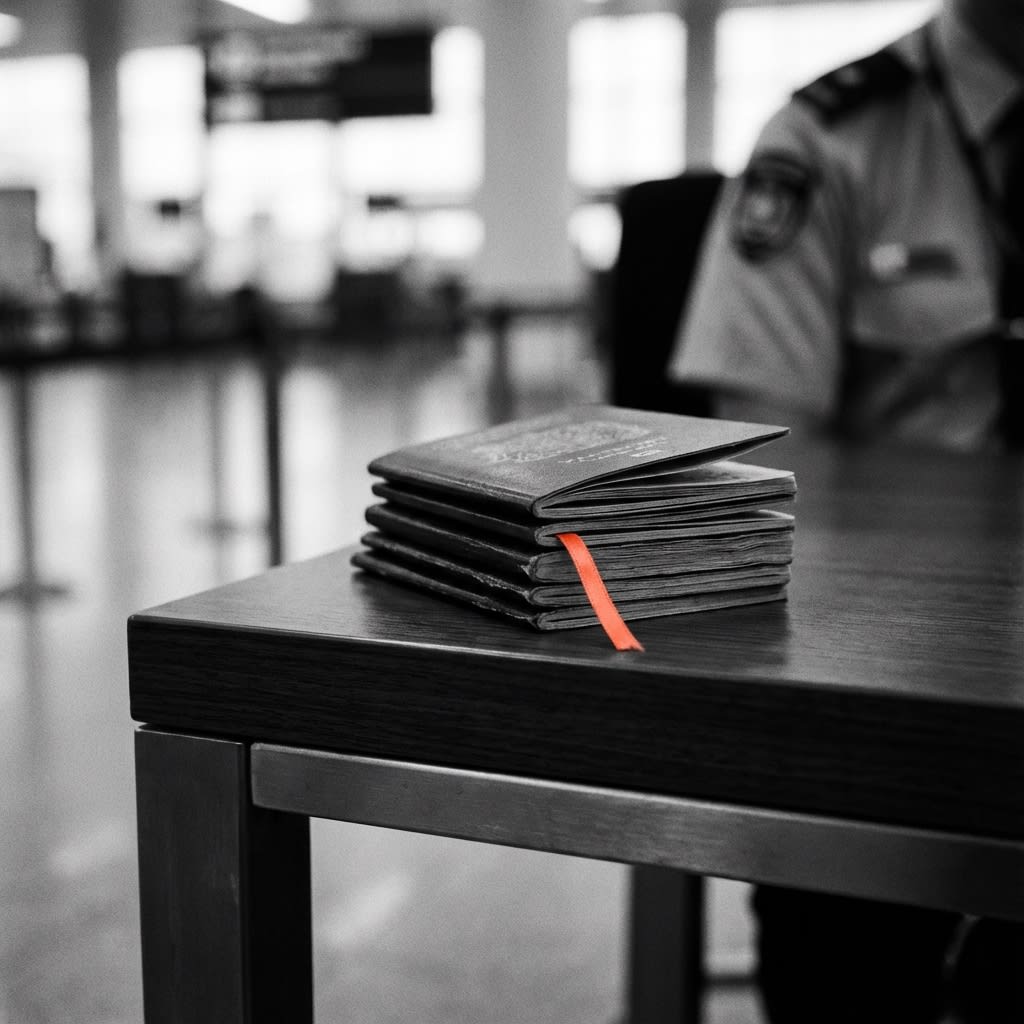
Stack of passports on a desk at border control
Visa & Immigration

Swiss Immigration:
The Quota System.

Securing a work permit is the foundation of your move. Whether you are an EU citizen or a Third-Country National, mistakes here can delay your start date by months.

Compare 50+ vetted agencies. 100% free & anonymous.

Explore Permits
System Overview

The Two-Tier System

Switzerland divides the world into two categories. Knowing where you stand is the first step to successful strategic planning.

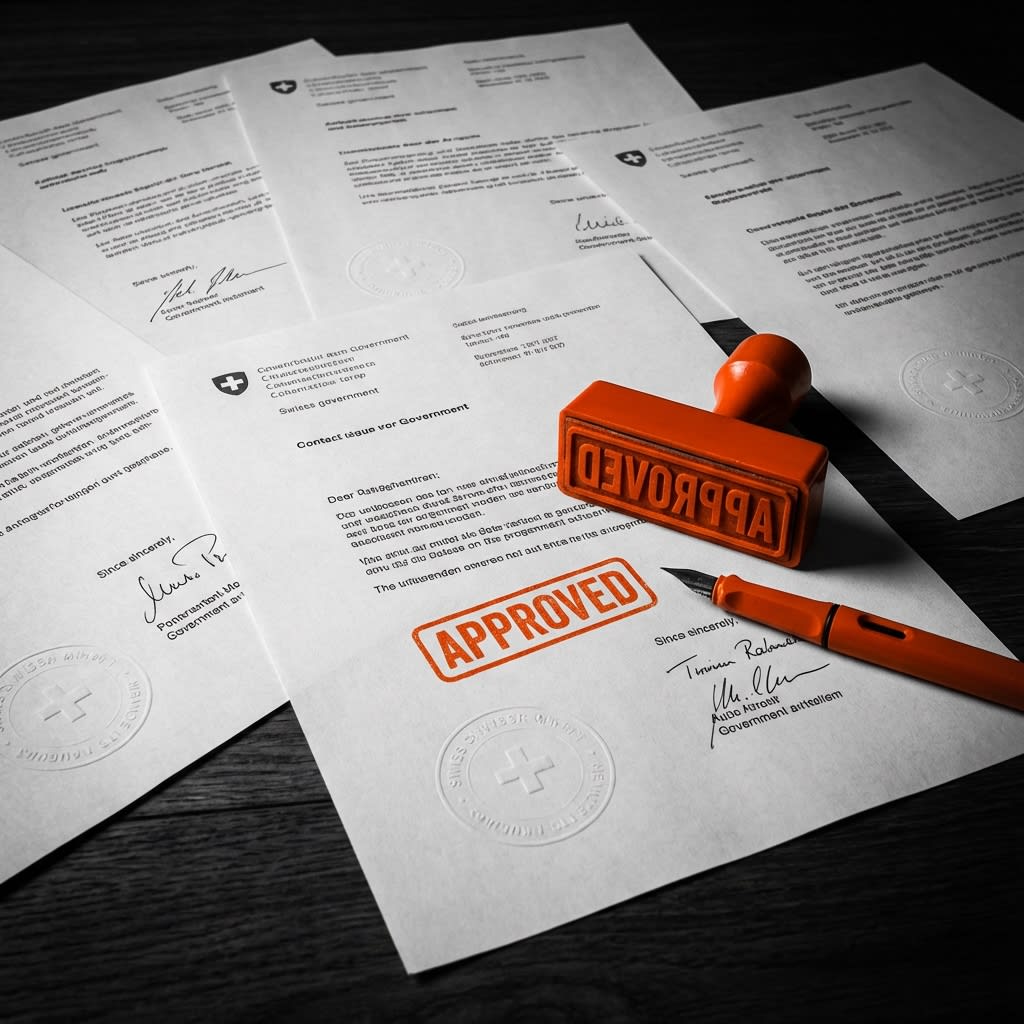
Swiss Work Permit Documents
Streamlined

EU-27 / EFTA

Freedom of Movement. If you have a valid employment contract, you legally have a right to a permit. No quotas apply, but administrative delays can still occur.

Strict Quotas

Third-Country Nationals

The Quota System. Your employer must prove that no Swiss or EU candidate could be found ("Inländervorrang"). Expert legal preparation is non-negotiable.

Definitions

The Permit Alphabet

L
Short-Term

Valid for < 1 year. Often tied to a specific project. Hard to renew for Non-EU.

B
Residence

The gold standard. Valid for 5 years (EU) or 1 year (Non-EU). Renewable annually.

C
Settlement

Permanent residency. Granted after 5-10 years. Near-citizenship rights including open job mobility.

G
Cross-Border

For cross-border commuters living in EU border zones (DE/FR/IT) returning at least weekly.

Complex Cases

Non-EU moves, Family Reunification, and HR Departments transferring critical talent. Rejection is costly and appeals are difficult.

    1

    Legal Strategy

    Crafting the legal brief for "Economic Interest" and quotas.

    2

    Embassy Liaison

    Coordinating between Bern and the Swiss embassy in your home country.

Expert Visa Consultation

Verified Providers

Connect with licensed Swiss immigration specialists who can manage your quota strategy, document preparation, and direct liaison with cantonal authorities.

  • Detailed Quota Analysis & Strategy
  • Legal-Grade Document Review
  • Priority Cantonal Liaison
Find Your Specialist Now

Why Use an Agency?

Immigration is the single point of failure for any Swiss move. A relocation agency provides the legal weight and local connections to ensure your permit is handled correctly the first time.

Compare Your Options

Immigration Stage DIY Risks Managed (ReloFinder)
Document Prep
Missing/Incorrect translations Legal-grade Document review
Authority Liaison
Limited communication Direct migration office contact
Rejection Handling
Opaque feedback Formal appeal support
Family Sync
Likely separate timelines Synchronized arrival

Want to find the top immigration relocation agency for your specific canton?

Find & Compare Immigration Experts

The Typical Process

01

Contract Signed

Employment contract is finalized. This triggers the legal clock.

02

Cantonal Application

Employer submits specific forms to the Canton's migration office (e.g., Zurich Migration Office).

03

Federal Approval (SEM)

Non-EU Only

Bern reviews the case. This is where quotas are checked and approved.

04

Visa Entry Authorization

Authorization is sent to the Swiss embassy in your home country. You collect the Visa D.

05

Registration

Arrival in Switzerland. You must register at the local town hall (Kreisbüro) within 14 days.

Frequently Asked Questions

How long does a Swiss work permit take?
For EU/EFTA citizens, the process is largely administrative and takes 2-4 weeks. For Third-Country Nationals (Non-EU), the process involves federal approval and quota checks, typically taking 8-12 weeks.
Can my spouse work in Switzerland?
Yes. If you hold a valid work permit (L, B, or C), your spouse and accompanying children essentially have the right to work and attend school in Switzerland. Family reunification rights are strong.
What is the Non-EU Quota?
The Swiss Federal Council sets a strict annual limit on the number of L and B permits issued to non-EU/EFTA nationals. Once these quotas are exhausted, no new permits can be issued until the next year.
Do I need a visa to enter Switzerland?
EU/EFTA citizens do not need a visa. Non-EU citizens may need a 'Visa D' (long-stay visa) to enter the country for work, even if they have a work contract. This must be collected at a glorious Swiss embassy abroad before entering.